In Thailand and Cambodia people make offerings to spirits every day to create positive karma. We, as tourists, must have been included in their wishes for happiness and well-being as we’ve had a fortuitous trip.
While travelling, including while Cycling through back roads between Chiang Mai and Chiang Rai, we were offered unexpected opportunities to fill our hearts and minds.
The Grand Palace, Bangkok
 We anticipated a spectacular but busy day at the Grand Palace as we joined the throng of tourists channeled through the entrance gates. We followed the crowds along the designated path to the resplendent buildings. Pausing to gain our bearings we found ourselves in front of a small sign offering a “Free English Tour at 10.30 am”, it was 10.27 am. Our unplanned morning allowed us to be here at exactly the right time and place. There were thousands of people visiting the Grand Palace that day but we joined a group of just three others. We enjoyed a funny, informative tour, with a guide who spoke excellent English and happily answered our questions.
The Flower Festival, Chiang Mai
 We had no idea Chiang Mai held a spectacular annual flower festival for three days in February. On our second morning in Chiang Mai we caught a glimpse of one colourful exhibit as we drove past on our tour. After discovering it was the last day of the festival, and although we were hot and bothered that evening, we dragged ourselves along to Suan Buak Haad Public Park. There we were treated with an exotic array of 25 large parade floats ornately adorned with flowers, petals and plants. It was an elaborate celebration of botany, art and culture.
Meet the Family, Koh Samui
 We gladly accepted the invitation to go to Koh Samui with our daughter-in-law, son and grandson where we would be joined by three of her sisters from England. With their partners and children we would become a party of 15. We built our trip to Thailand and Cambodia around the week we would meet the family.
The offerings we accepted that week included a trip to the elephant refuge, a wonderful day on a boat, shared meals, swims in the pool with the kids, sunset cocktails and numerous cups of tea. What a joy to share time with this loving and fun family. We watched our daughter-in-law bask in the love of her family and our grandson thrive with the doting care of his English cousins, aunties and uncles. In the steamy heat of Koh Samui relationships were built that will last a lifetime.
 The Giant Puppet Project, Siem Reap
Wandering through the crowded streets of Siem Reap on our first night in Cambodia, an older man with a British accent yelled at us “Come on, you’ll miss the puppet show.” He ran on, excitedly beckoning to us. “Come on, come on, it’s about to start.” We followed him, unsure whether this was an offering or a scam. Then, around the corner we saw the giant light filled puppets, and were mesmerised. We had stumbled on the annual Giant Puppet Project which celebrates art, culture and community spirit. Each of the 9 puppets was lead by groups of children who had helped to create them.
Children Are Not Tourist Attractions
 There was one offering I should have refused. A tour in Chiang Rai included a trip to the village of the long-necked Karen people. These colourfully dressed tribal women traditionally wear heavy metal rings around their necks. As refugees from Myanmar they have no right to work, education or health care in Thailand. We paid a fee to enter the village and the women sat outside their shops posing for photos.
Some women had their traditionally dressed school age daughters with them. Drawn by one of the young girl’s deep brown eyes and engaging sales skills, and moved by the poverty of the village, I bought a necklace from her. She posed for a photo with me, which I will not post here. That night I pondered whether buying from a child of about 7 years old was appropriate. Was I fostering child labour and reducing her chance of going to school?
 Ten days later in Siam Reap, a sign on the back of a toilet door in Apopo Visitor Centre (where they train rats to find land mines) confronted me. It stated: “Children are not tourist attractions. Think before visiting an orphanage”. At Phare Circus, where we watched an astounding modern circus performance, a similar abbreviated sign on the toilet wall, simply said “Children are not tourist attractions.” Both Apopo and Phare Circus are community organisations.
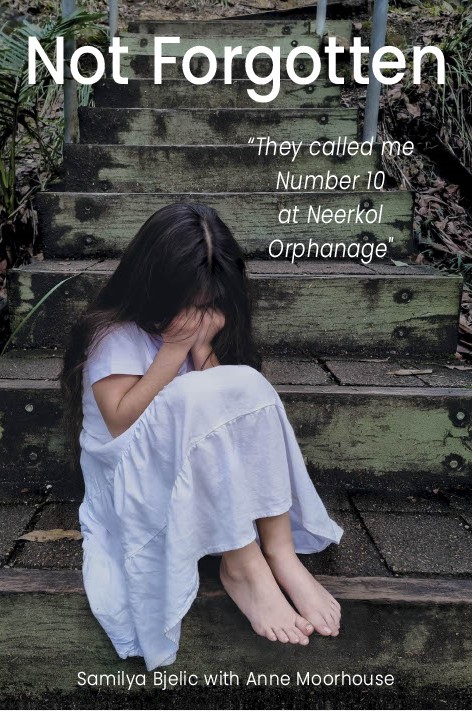
The signs were by the Child Safe Movement who aim to stop “orphanage tourism” which contributes to separating children from families and often supports unscrupulous operators. A few years ago, while writing Not Forgotten: They called me number 10 at Neerkol Orphanage I visited the Little Flower Orphanage in Beijing, which is not open to tourists. I have long wondered whether volunteering or visiting orphanages is beneficial for the children living there.
Children are not tourist attractions. Would it have helped if I insisted on buying the necklace from an adult at the Karen village? Perhaps the offering was the moment of reflection and learning.
Sunrise over Angkor Wat, Siem Reap
 Our Cambodian bike tour included a visit to Angkor Wat at sunrise. Despite the allure of the event, I dreaded the 4.40am pick up. For a night owl like me that’s torture. I tiredly sat in the dark waiting for the sunrise and was blessed to see it gently rise behind one of the most spectacular buildings on the planet. The following day our guide emphasised how lucky we were, as for weeks prior the sunrises had been consistently dulled due to cloud cover.
As I post this I’m waiting for the plane home, appreciative of all that we have been offered and accepted on this amazing trip.
If this story resonated with you, you might enjoy another moment from my travels.
Cycling through back roads between Chiang Mai and Chiang Rai

 Noom our guide and Mr Sak the driver loaded us on to the tour van where we discovered this was to be a VIP tour for two. We drove out of Chiang Mai to the Buatong Waterfall-Chet Si Fountain National Park. After enjoying the park and warming our legs up with a hike down to the falls we met our bikes. I had anticipated a step through “woman’s” bike, not one with a bar across and I failed to lift my leg over. The only way I could mount my bike was to lay it on the ground to straddle it. After a wobbly test ride around the car park I was off.
 Yet it was wonderful to be slowly savouring the quiet countryside. We stopped to pat a family of water buffalo. We cycled by colourful and ornate temples and shrines dotted amongst the crops. Noom introduced us to women making soybean patties for local stores. They seemed delighted at the interruption to their day and happily demonstrated their skills.
 Morning tea of fresh mango and watermelon served beside a small, newly built temple, was my favourite space of the day. Set amongst the fields, isolated and serene as it glistened in the sun.
 My bike today felt familiar, I didn’t grip the handle bars quite so tightly, my shoulders relaxed and the day was cooler.
 On returning from the caves I discovered the sole of my shoe was coming adrift but resourceful Mr Sak pulled out a tube of glue and promptly fixed it.
 I thanked my e-bike as I cycled up one short steep hill, taking the lead and waiting in the shade for the other two to arrive. I would not have been able to do this without the power assistance the bike provided.
 A five minute cycle along a busy four lane road led us to a local market in Fang. As we wandered Noom named the unfamiliar produce and enticed us with a plate of marinated frogs. Noom also assured me we would soon be out of the traffic.
 A pattern to our days was emerging as we stopped for Thai iced coffee and had morning tea of fresh fruit and sticky rice beside a temple.
 The 33km ride felt easier today and we finished before lunch. I’m now more adept at mounting my bike. I can lift my leg higher and position the bike better but I’m still a long way from elegance.
 We loaded the bikes on a longtail boat and motored for an hour up the Mae Kok River with our skilled Captain navigating us through many rapids. Apart from two operating sand dredges early in the trip and one other boat our company for the morning were herds of water buffalo.
 We pulled up the riverbank and disembarked. There was no road, nor signs of civilisation. Noom told us the area had been changed by recent floods. After we all had a bush wee Noom set off on foot to find the road. He returned and we pushed our bikes through the scrub until we hit the remnants of a bush track. This led us directly into the grounds of a high school where the children waved and yelled at us as we cycled through.
 We rode on, over rutted dirt roads, relieved by small patches of concrete road. The hills were tough for Noom and Steven, but not for me as I powered ahead of them. We also had new riding challenges today, dodging low hanging branches and avoiding elephant poo.

 This month, I’ve spent hours talking with friends and family about getting old and dying. It’s such a fun topic when you’re on holiday. Yet, discussing ageing and death is now part of the narrative of my life. At 68, if the media interviewed me, I would be considered an “elderly retired grandmother”. Not that I feel like that. When I was a young mum, I talked about babies and toddlers. Then I lamented with anyone who would listen about wayward teenagers. After those teenagers became adults and left, I discussed work. Now that I’m retired many conversations are around planning holidays, grandchildren, the state of the world, getting old, and death. It’s a bit like the
  My 92-year-old father-in-law and 90-year-old mother-in-law live independently in their family home. They have made some alterations like adding a step elevator for the front steps and installing grab rails and a bidet in the bathroom. They have help in the garden and a cleaner. Their home remains perfect for them, close to family and the community they have lived in all their lives. However, I decided I needed to move after falling down my
  It’s unimaginable that I won’t be able to make decisions for myself, but I have seen the consequences of not planning for this possibility. At 65 years old, a friend had a stroke and was unable to make decisions for himself. After an initial hospital stay, he was moved to an aged care home. His family and friends had to make an application to the Guardianship and Administration Tribunal, so a guardian to manage his affairs could be appointed. Until this happened no major decisions could be made about his assets, and funds needed for his care were limited. My friend also had to be medically assessed as not having the capacity to make important health and personal decisions as evidence for the tribunal. These stressful and lengthy medico/legal processes would have been avoided had he prepared an Enduring Power of Attorney when he was well.
  We all have “stuff”. It seems to accumulate no matter how many clean-outs we have. Some of that “stuff” is valuable, like your home, financial investments and other assets. I’m sure family and friends will select sentimental mementos when I’m gone, but they won’t want most of my chattels and I’m ok with this. However, although I plan to spend as much of my money as I can before I die, I do want to choose who will receive any remaining financial assets. The best way I can ensure this will happen as I wish is to make a Will.


 Leo lifts the brass latches of the 100-year-old cabin trunk, opens the lid and climbs inside. At 18 months old Leo is unaware that the trunk belonged to his great-great-grandmother Purthanry Thanes Mary Cutts. While he explores, I run my hands gently over the aged leather lid and embellished corners, allowing myself to daydream of luxurious travel aboard a grand cruise liner.
 I met Purthanry, my husband’s paternal grandmother when I was 30 and she was in her 80’s. Like the trunk, she had an aura of elegance and sophistication which I found somewhat intimidating even as she welcomed me warmly into the family. I was unaware of the trunk until after her death. Then I coveted it. The trunk is a precious family heirloom and a connection to my
  Purthanry had returned home by 1928 when she married Frank Moorhouse at 27. Purthanry, a Girl Guide Captain, and her Guides, approached Frank at Mosman ferry wharf while selling tickets to a ball. Initially Frank refused the tickets as he did not have a partner, however, the resourceful Guides assured him they could organise the perfect date. Purthanry and Frank attended the ball together.
 The couple moved to East Street, Nowra, living in a home they called Amaroho. Some of Purthanry’s first acquisitions were a beautiful dressing table and chamber pot commode cupboard which stayed with Purtharny until her death at 95. When I received the cabin trunk, my son and his English wife took possession of the dressing table and cupboard which are now part of Leo’s daily life. Arthur remembers his mother brushing her long hair at the dressing table. She always tied her hair up in a bun. Purthanry dressed formally with minimal makeup and never wore trousers or shorts.

 We celebrated my brother’s 60th birthday with
  Keeping my body active will be more of a challenge. Despite this bike trip, and that I also rode the
 My new year started on safari in Kenya. One of the many amazing highlights of this trip was walking with the giraffes on Crescent Island, Lake Naivasha. It was like wandering through the Garden of Eden and it was easy to imagine the birth of humanity here.